
Microsoft’s Xbox Future in Flux: Debunking the “Quiet Shutdown” Narrative
Recent online discussions have ignited intense speculation around the future of Microsoft’s Xbox gaming division, with some industry voices claiming that the tech giant is quietly winding down its console business to focus on artificial intelligence (AI). These claims stem largely from comments made by one of Xbox’s original founders, suggesting a shift in strategic priorities — but the situation is more complex and nuanced than sensational headlines imply.
In this extensive analysis, we dissect what’s real, what’s speculation, and what Microsoft and Xbox leadership are actually saying about the direction of one of the most iconic gaming platforms in the world.
🎮 What Sparked the Speculation?
The controversy began after Seamus Blackley, one of the original creators of Xbox, gave an interview claiming that Microsoft might be gradually phasing out the Xbox brand as it pivots toward AI-driven initiatives. Blackley — who was instrumental in convincing Microsoft executives to green-light the first Xbox over two decades ago — expressed concern that leadership changes signal a strategic shift away from gaming toward artificial intelligence. He even characterized the new CEO appointment as akin to a “palliative care doctor” guiding a legacy business toward its end.
This stark prediction quickly spread across tech news outlets and gaming forums, prompting alarm among fans who interpreted it as Microsoft planning to shut down Xbox entirely.
🔍 Leadership Overhaul: What Really Changed?
The heart of the controversy lies in recent executive restructuring within Microsoft’s gaming unit:
-
Phil Spencer, longtime head of Xbox, retired after nearly four decades steering the brand and expanding its reach into cloud gaming, subscriptions, and strategic acquisitions.
-
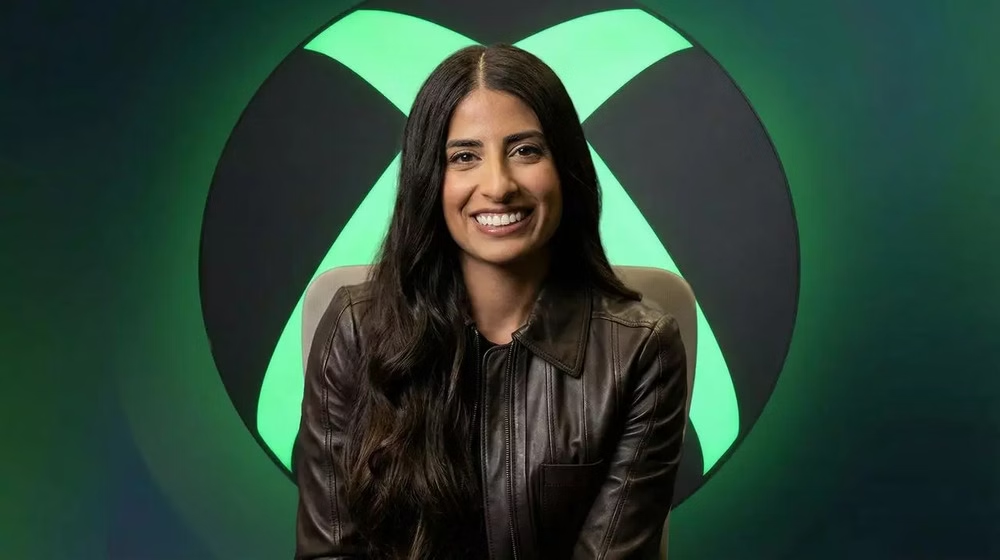
Asha Sharma, formerly a senior leader in Microsoft’s CoreAI division, was appointed CEO of Microsoft Gaming. Her background is rooted in AI and enterprise technology rather than traditional game development.
-
Matt Booty was promoted to Chief Content Officer, with responsibility for creative direction and game studio strategy.
These leadership changes naturally sparked debate about direction, especially given Sharma’s AI background and the broader corporate emphasis on AI across Microsoft’s product portfolio.
🧠 Does This Mean Xbox Is Being Shut Down?
Despite the fear-mongering headlines, there’s no credible evidence that Microsoft is shutting down Xbox as a business.
Official Messaging from Xbox Leadership
Since the leadership transition, Xbox executives have been clear that AI will not be forced upon game development in a way that undermines creativity or replaces human talent. Both Asha Sharma and Matt Booty have publicly stated that:
-
AI will be used as a tool to support developers, such as assisting with coding tools, debugging, or administrative tasks.
-
There is no corporate mandate to rely heavily on AI for creative game development.
-
The focus remains on human-crafted art and storytelling, a core value of the gaming industry.
The messaging is consistent: AI may enhance productivity, but Xbox will not flood its ecosystem with “AI-generated content” or soulless outputs.
These assurances are crucial, especially given the anxiety among fans who fear that AI could replace human developers or erode the artistic integrity of games.
📊 Why the Misconception Persists
There are a few reasons the rumor about Xbox being “quietly shut down” took hold:
1. Leadership From an AI-Focused Executive
Asha Sharma’s background in artificial intelligence naturally raised eyebrows when she was appointed CEO of Microsoft Gaming. Critics argue this signals a shift from a gaming-first strategy to one that prioritizes AI across all divisions.
2. Broader Corporate AI Push
Microsoft under CEO Satya Nadella has doubled down on AI across its products — from Windows to cloud services and enterprise solutions. This broad focus fuels speculation that traditional business lines like Xbox could be de-emphasized. However, AI’s role so far has been supportive rather than destructive.
3. Blackley’s Perspective
Seamus Blackley’s remarks carry weight because of his legacy, but they are his personal interpretation, not an internal corporate announcement. He left Microsoft over two decades ago, and his comments reflect concern, not insider knowledge.
🧩 What Microsoft Is Actually Focusing On
Rather than closing down Xbox, Microsoft appears to be navigating several parallel priorities:
🎮 Strengthening Xbox’s Core Identity
Even with leadership changes, executives have repeatedly emphasized Xbox’s commitment to:
-
Console hardware development
-
First-party game creation
-
Subscription services like Game Pass
-
Cross-platform experiences spanning PC, cloud, and mobile gaming
This reflects a broad strategy of integrating traditional gaming strengths with new technologies.
🤖 Thoughtful AI Integration
AI is being positioned as a productivity enhancer rather than a replacement for human creativity. Game developers may use AI for efficiency gains — such as bug detection or writing helper tools — but core creative decisions remain human-led.
🧠 Industry and Community Engagement
Xbox leadership has acknowledged fan concerns and pledged to communicate more clearly about strategy. Maintaining players’ trust is crucial, especially as gaming communities grow increasingly vocal online.
🧠 Industry Reaction: Mixed Views
Reactions from analysts and gamers have been diverse:
✔️ Optimists believe Microsoft will use AI to enhance Xbox, not replace it — integrating smarter tools without harming game quality.
✖️ Pessimists worry that AI’s rising prominence could ultimately overshadow gaming investments, especially if financial results lag.
🤝 Balanced voices stress that leadership transitions always trigger speculation, but long-term strategy is rarely fully revealed in early interviews.
🧨 The Bigger Picture: Tech, AI, and Gaming
Microsoft’s emphasis on AI reflects a broader industry trend where major tech companies aim to lead in next-generation technologies. That’s true not just for Microsoft, but also for competitors like Google, Meta, and Apple. However, gaming remains a huge entertainment market — worth hundreds of billions globally — and Microsoft’s substantial investment in Xbox intellectual property (including studio acquisitions) suggests continued commitment to the space.
🧠 Final Verdict
The claim that Microsoft is “quietly shutting down Xbox to prioritize AI” oversimplifies a more nuanced strategic evolution. What’s really happening is:
📌 Xbox leadership is changing
📌 AI is an increasing corporate priority
📌 Xbox is not being shut down
📌 The gaming division will likely continue evolving alongside AI with human creativity at the forefront
Speculation will persist as the narrative unfolds, but current statements from leadership and the absence of official plans to discontinue Xbox indicate that the brand’s legacy is far from over — even as it adapts to the future of technology.





Leave a Reply