
You Don’t Need to Be a Coder to Be Part of Pakistan’s AI Story
The prevailing narrative around artificial intelligence suggests you need a computer science degree and years of coding experience to participate meaningfully. This misconception is keeping talented Pakistanis marketers, designers, doctors, educators, business analysts, and countless others, on the sidelines of the country’s most important technological transformation. The reality is far more inclusive: Pakistan’s AI story needs diverse voices, perspectives, and skills that have nothing to do with writing Python scripts. From prompt engineering to AI ethics, data strategy to user experience design, the non-technical roles shaping AI’s future may prove more critical than the technical ones.
Consider the explosive growth of prompt engineering, a role that didn’t exist three years ago and now commands salaries ranging from $80,000 to $300,000 globally. Prompt engineers don’t write code; they write questions. They understand language, context, and human communication well enough to extract maximum value from AI systems. Pakistani content creators, journalists, and language specialists possess exactly these skills. A marketing professional who understands consumer psychology can design AI-powered customer service flows better than most developers. A teacher with 15 years of classroom experience can architect educational AI tools that actually work for Pakistani students. These aren’t auxiliary roles, they’re foundational to building AI that serves real human needs rather than just demonstrating technical capability.
The healthcare sector illustrates this perfectly. AI-powered diagnostic tools are transforming medicine globally, but their success depends less on algorithmic sophistication and more on medical professionals who understand clinical workflows, patient communication, and healthcare delivery realities. Pakistani doctors, nurses, and healthcare administrators don’t need coding skills to lead AI integration in hospitals, they need domain expertise to identify which problems AI should solve and how solutions should function in practice. The same pattern repeats across industries: legal professionals guiding AI contract analysis, agricultural experts directing AI crop monitoring systems, financial analysts architecting AI fraud detection, and HR professionals implementing AI recruitment tools. The technical implementation can be outsourced; the strategic direction cannot.
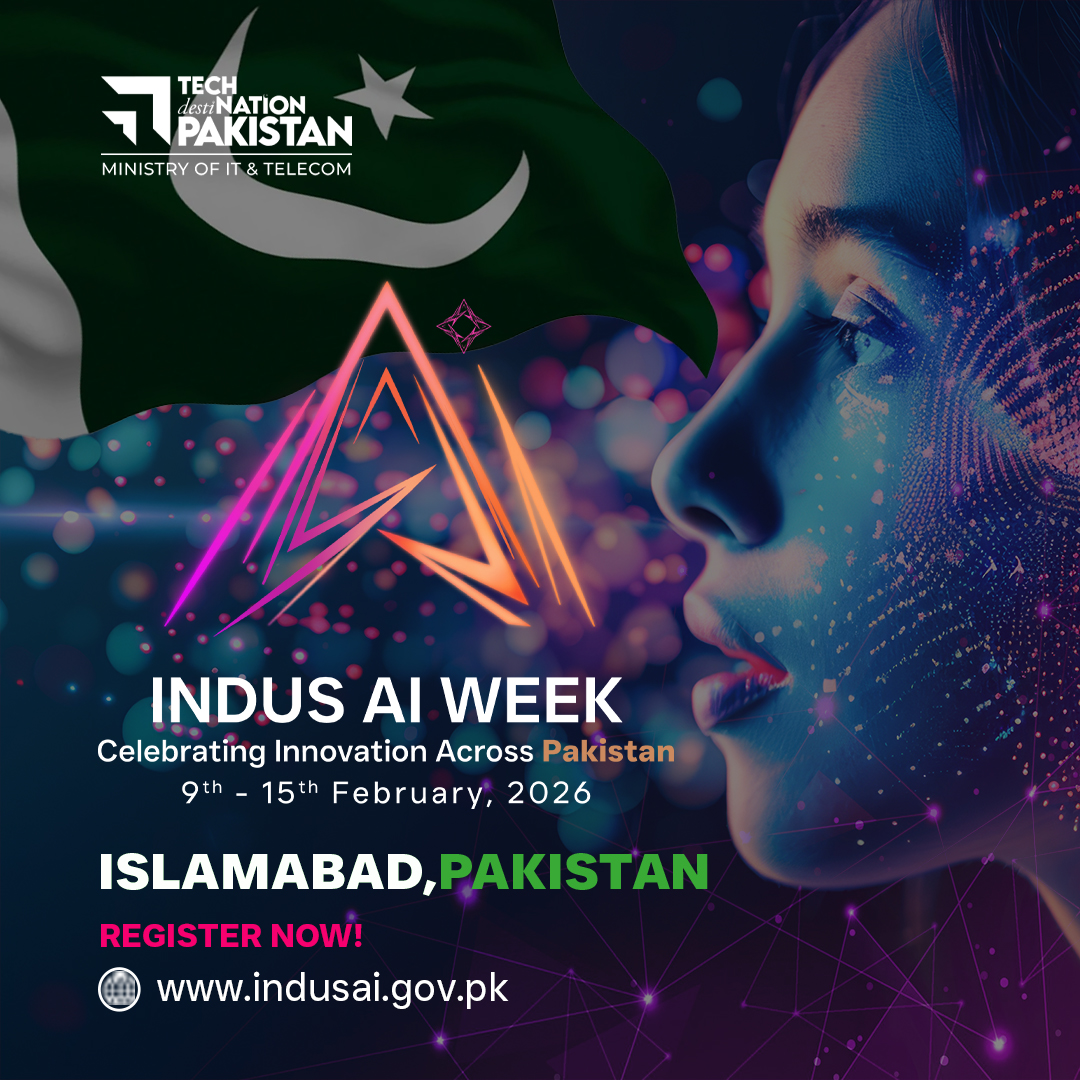
Indus AI Week recognizes this inclusive reality explicitly. The event isn’t just for developers and data scientists, it’s designed for every Pakistani who wants to understand how AI will reshape their industry and how they can guide that transformation. Sessions on AI ethics require philosophers and sociologists more than programmers. Discussions on AI policy need legal experts and policymakers who understand governance frameworks. Workshops on AI in education demand teachers who know how students learn. Panels on responsible AI deployment require business leaders who grasp organizational change management. This isn’t tech window dressing, it’s acknowledgment that building Pakistan’s AI ecosystem requires every discipline working in concert.
The economic opportunity is equally distributed. While AI developers command high salaries, the emerging roles in AI product management, AI training data curation, AI-powered content creation, and AI system auditing are accessible to non-coders and often pay competitively. Pakistan’s growing AI sector needs project managers who can coordinate cross-functional teams, UX designers who can make AI interfaces intuitive, business strategists who can identify AI use cases, and communication specialists who can explain AI capabilities to clients. These roles don’t require coding bootcamps, they require taking existing professional skills and understanding how AI amplifies them.









Leave a Reply