
Pakistan, Russia Plan Long-Term Economic Partnership Until 2030
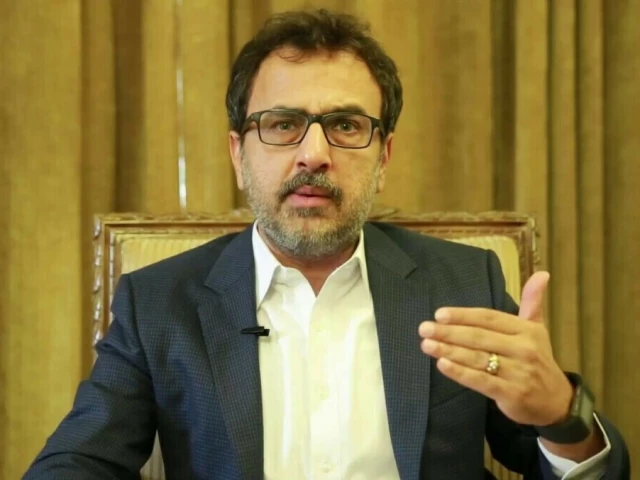
ISLAMABAD: Pakistan and Russia have agreed to develop a comprehensive Economic Cooperation Programme that will remain in effect until 2030, marking a significant step forward in strengthening bilateral relations between the two countries. The announcement was made by Federal Minister for Energy Awais Ahmed Khan Leghari during a webinar focused on Pakistan-Russia relations amid evolving global dynamics.
Speaking at the event, Leghari highlighted the remarkable transformation in ties between Islamabad and Moscow over the past two decades. He noted that relations have progressed from a period of mutual distrust to a partnership based on practical cooperation and shared interests. According to the minister, leadership-level engagement has played a crucial role in expanding collaboration across various sectors, including energy, trade, technology, and defense.
The minister emphasized that both nations are committed to enhancing economic connectivity and removing obstacles that have limited trade growth in the past. He explained that the upcoming Economic Cooperation Programme will provide a structured framework for expanding commercial and investment opportunities between Pakistan and Russia through the end of the decade.
Leghari also referred to the recently signed Pakistan-Russia Readmission Agreement, stating that it is expected to improve visa facilitation and encourage greater business, cultural, and people-to-people exchanges. The agreement is seen as an important step toward strengthening contacts between citizens and businesses of both countries.
As co-chair of the Pakistan-Russia Intergovernmental Commission, the energy minister underlined the importance of ongoing cooperation with Russian Energy Minister Sergei Tsivilev. He described the commission as a key platform for advancing collaboration in multiple areas, including security, strategic stability, and counterterrorism.
The minister further noted that Pakistan and Russia frequently coordinate their positions at international forums such as the United Nations and the Shanghai Cooperation Organisation (SCO). Both countries support a more inclusive global system and continue to work together on issues of regional and international significance.
Highlighting future opportunities, Leghari expressed Pakistan’s interest in joining the International North-South Transport Corridor (INSTC). He welcomed proposals to link the corridor with Gwadar Port, saying such connectivity projects could boost regional trade, improve transportation networks, and complement broader economic initiatives across Eurasia.
The minister also pointed to Russia’s positive view of Pakistan’s diplomatic efforts in promoting regional stability. He said growing engagement between the two countries reflects increasing confidence and recognition of Pakistan’s role as a responsible partner in international affairs.
Pakistan’s expanding interaction with Russia was also evident through its participation in major Russian economic forums, including the Kazan Forum, St. Petersburg International Economic Forum, and Moscow Energy Week. These platforms have provided new opportunities for dialogue, investment, and business cooperation.
Concluding his remarks, Leghari stated that Pakistan-Russia relations now extend beyond traditional bilateral cooperation. He stressed that stronger ties could contribute to regional connectivity, economic integration across Eurasia, and long-term stability in the wider region.
During the webinar, Special Assistant to the Prime Minister Tariq Fatemi also underscored the importance of growing Pakistan-Russia cooperation. He described energy collaboration as a major milestone in bilateral relations and emphasized the need to continue building partnerships in diverse sectors while addressing common security challenges.
Former Ambassador Masood Khan, who also addressed the event, called for a significant increase in bilateral trade, which currently stands at approximately $1.3 billion. He said Pakistan has the potential to serve as an important gateway connecting Russia to the Arabian Sea and broader regional markets.


