
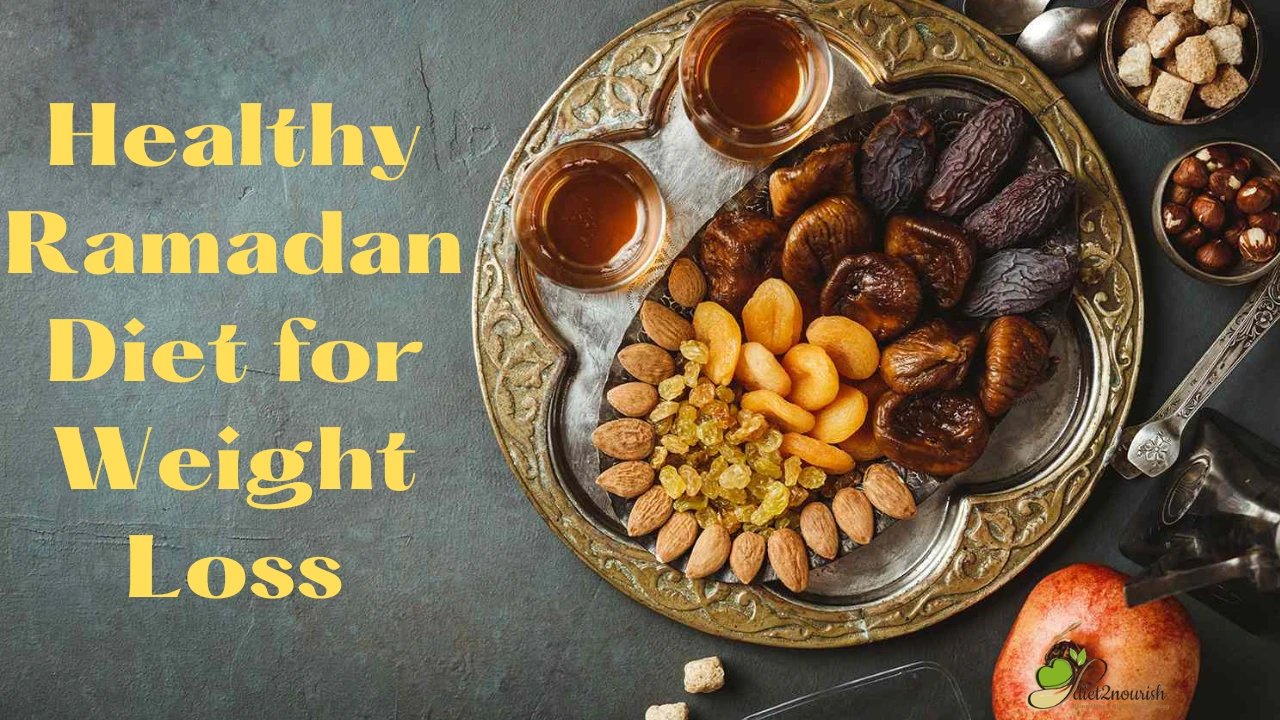
Balanced Diet in Ramadan to Reduce Weight and Prevent Diseases
Ramadan is a sacred month of spiritual reflection, discipline, and self-control. Beyond its religious significance, Ramadan also offers a powerful opportunity to reset your body, improve your metabolism, reduce excess weight, and lower the risk of chronic diseases — if you follow a balanced diet.
Unfortunately, many people gain weight during Ramadan due to fried foods, sugary drinks, overeating at Iftar, and lack of physical activity. This detailed guide will help you understand how to maintain a healthy, balanced diet in Ramadan, lose weight safely, and reduce the risk of diseases like diabetes, heart disease, and high blood pressure.
Why a Balanced Diet in Ramadan is Important
During Ramadan, fasting typically lasts 12–16 hours depending on location. In countries like Pakistan, fasting hours can be long and physically demanding. When you fast, your body goes through several metabolic changes:
-
Glycogen stores are used for energy
-
Fat stores begin to break down
-
Insulin levels decrease
-
Cellular repair processes improve
However, if you overeat or consume unhealthy food during Iftar and Suhoor, these benefits are lost. A balanced diet ensures:
-
Healthy weight loss
-
Stable blood sugar levels
-
Improved digestion
-
Stronger immunity
-
Reduced risk of chronic diseases
Understanding Weight Loss During Ramadan
Weight loss happens when you consume fewer calories than you burn. Ramadan fasting naturally reduces eating frequency, but portion control and food quality determine whether you lose or gain weight.
Common Ramadan Weight Gain Mistakes
-
Overeating at Iftar
-
Eating too many fried foods (samosas, pakoras)
-
Drinking sugary drinks like Rooh Afza
-
Skipping Suhoor
-
Lack of physical activity
-
Eating desserts daily
Avoiding these habits is the first step toward achieving healthy weight loss.
The Perfect Balanced Diet Plan for Ramadan
A balanced Ramadan diet includes:
-
Complex carbohydrates
-
Lean protein
-
Healthy fats
-
Fiber-rich vegetables
-
Fruits
-
Adequate hydration
Let’s break it down into Suhoor, Iftar, and post-Iftar meals.
1. Healthy Suhoor (Pre-Dawn Meal)
Suhoor is essential. Skipping it slows metabolism and increases overeating at Iftar.
What to Eat at Suhoor
✅ Complex Carbohydrates
-
Oats
-
Whole wheat roti
-
Brown rice
-
Multigrain bread
These release energy slowly and keep you full longer.
✅ Protein Sources
-
Eggs
-
Greek yogurt
-
Cottage cheese
-
Lentils
-
Chicken breast
Protein helps maintain muscle and reduces hunger.
✅ Healthy Fats
-
Almonds
-
Walnuts
-
Chia seeds
-
Avocado
Healthy fats improve satiety and heart health.
✅ Hydrating Foods
-
Cucumber
-
Watermelon
-
Yogurt
-
Milk
❌ Avoid at Suhoor
-
Fried parathas
-
Sugary cereals
-
Sweet tea in excess
-
Processed foods
Sample Suhoor Meal Plan
-
1 boiled egg + vegetable omelet
-
1 whole wheat roti
-
1 bowl yogurt
-
1 fruit (banana or apple)
-
2 glasses water
This provides balanced nutrition for sustained energy.
2. Smart Iftar for Weight Loss
Iftar is the most critical time. After long fasting hours, the body craves quick energy. Eating too fast or too much can cause bloating, weight gain, and blood sugar spikes.
Step-by-Step Healthy Iftar
Step 1: Break Fast Properly
Traditionally, Muslims break fast with dates following the Sunnah of Prophet Muhammad (PBUH).
Eating 1–2 dates provides natural sugar and quick energy without overloading calories.
Step 2: Hydrate First
Drink:
-
1–2 glasses of water
-
Lemon water
-
Coconut water
Avoid:
-
Sugary drinks
-
Soft drinks
-
Artificial juices
Step 3: Light Starter
Choose:
-
Lentil soup
-
Vegetable soup
-
Fruit chaat (without sugar)
-
Chickpea salad
Step 4: Main Meal (Portion Controlled)
Your plate should include:
-
40% vegetables
-
30% lean protein
-
20% complex carbs
-
10% healthy fats
Best Protein Choices
-
Grilled chicken
-
Baked fish
-
Lentils
-
Beans
Best Carbohydrate Choices
-
Brown rice
-
Whole wheat roti
-
Quinoa
Avoid
-
Deep fried pakoras
-
Samosas daily
-
Heavy creamy curries
-
Overeating rice
3. Post-Iftar Snacks (If Needed)
If you feel hungry later:
-
A handful of nuts
-
Greek yogurt
-
A piece of fruit
-
Herbal tea
Avoid late-night desserts and heavy sweets.
Hydration Strategy in Ramadan
Dehydration slows metabolism and increases fatigue.
Follow the 2-4-2 Rule
-
2 glasses at Iftar
-
4 glasses between Iftar and Suhoor
-
2 glasses at Suhoor
Minimum target: 8–10 glasses daily.
Exercise During Ramadan for Weight Loss
Exercise helps burn fat and maintain muscle.
Best Time to Exercise
-
30–45 minutes after Iftar
-
1 hour before Iftar (light workout)
Recommended Exercises
-
Brisk walking
-
Light jogging
-
Bodyweight exercises
-
Yoga
-
Stretching
Avoid intense workouts while fasting if you feel weak.
How Ramadan Helps Prevent Diseases
Fasting, when combined with healthy eating, reduces the risk of:
1. Type 2 Diabetes
Controlled eating improves insulin sensitivity and blood sugar levels.
2. Heart Disease
Reducing fried foods and unhealthy fats lowers cholesterol.
3. Obesity
Calorie control and portion management promote fat loss.
4. High Blood Pressure
Lower salt intake and improved hydration help regulate blood pressure.
5. Digestive Disorders
Eating lighter meals improves gut health.
Special Diet Advice for People with Medical Conditions
If you have chronic conditions, consult a doctor before fasting.
Diabetes Patients
Monitor blood sugar regularly and avoid sugary foods.
Heart Patients
Reduce salt and fried food intake.
High Blood Pressure
Avoid processed foods and excessive caffeine.
Ramadan Superfoods for Weight Loss
Include these nutrient-dense foods:
-
Dates (in moderation)
-
Oats
-
Lentils
-
Spinach
-
Chia seeds
-
Almonds
-
Greek yogurt
-
Watermelon
-
Cucumber
These foods provide vitamins, minerals, fiber, and antioxidants.

Common Myths About Weight Loss in Ramadan
Myth 1: Skipping Suhoor Helps Weight Loss
False. It slows metabolism and increases overeating.
Myth 2: Fruit Juices Are Healthy
Most packaged juices contain high sugar.
Myth 3: You Can Eat Unlimited at Iftar
Overeating cancels fasting benefits.
Sample 7-Day Balanced Ramadan Diet Plan
Day 1
Suhoor: Oats + egg + fruit
Iftar: Dates + soup + grilled chicken + salad
Day 2
Suhoor: Yogurt + nuts + whole wheat toast
Iftar: Chickpeas + baked fish + vegetables
Day 3
Suhoor: Smoothie + boiled egg
Iftar: Lentils + brown rice + salad
Continue rotating lean protein and vegetables for variety.
Portion Control Tips
-
Use smaller plates
-
Eat slowly
-
Stop eating when 80% full
-
Avoid second servings
Healthy Ramadan Desserts (Low-Calorie Options)
-
Baked apple with cinnamon
-
Chia pudding
-
Dark chocolate (small portion)
-
Fruit bowl
Long-Term Benefits of Healthy Ramadan Eating
When done properly, Ramadan can:
-
Reset eating habits
-
Improve metabolism
-
Reduce body fat
-
Lower cholesterol
-
Improve mental clarity
-
Strengthen immune system
It can also help build discipline and mindful eating habits that last beyond Ramadan.
Final Thoughts: Make Ramadan a Health Transformation Month
Ramadan is not just about abstaining from food — it’s about self-control, purification, and discipline. By following a balanced diet, practicing portion control, staying hydrated, and incorporating light exercise, you can:
✔ Lose excess weight
✔ Reduce disease risk
✔ Improve energy levels
✔ Strengthen overall health
Instead of gaining weight this Ramadan, use this blessed month as an opportunity to transform your body and health.
Frequently Asked Questions (FAQs)
Q1: Can I lose 5 kg in Ramadan?
Yes, with proper calorie control and exercise, healthy weight loss is possible.
Q2: Is it safe to exercise while fasting?
Yes, but keep workouts light and stay hydrated.
Q3: How many dates should I eat at Iftar?
1–2 dates are sufficient.
Q4: Is rice allowed in Ramadan diet?
Yes, in moderation and preferably brown rice.








Leave a Reply